Canary Islands Day: why it is on 30 May and how to enjoy it
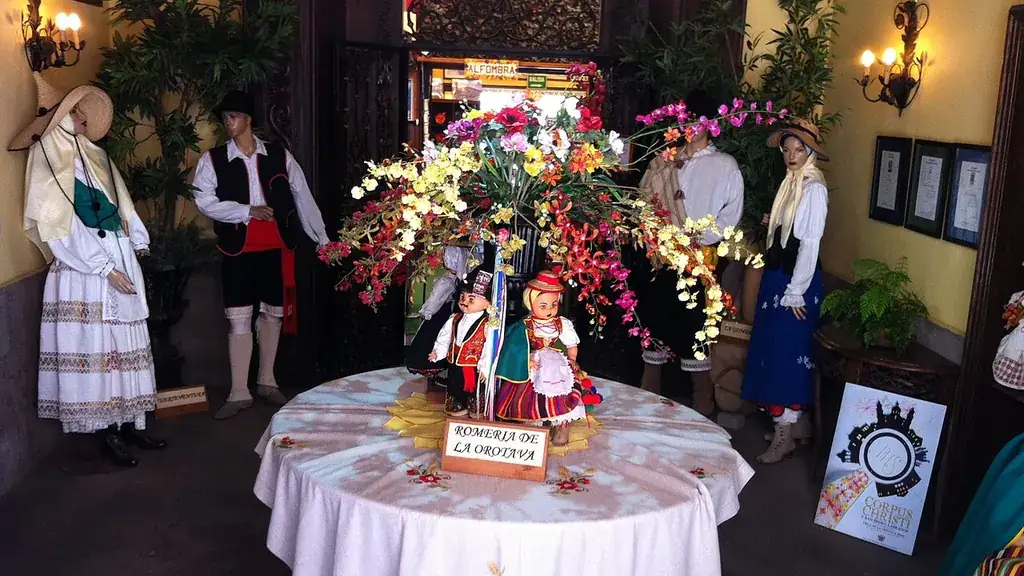
30 May is a public holiday on every island: it is Canary Islands Day (Día de Canarias). That day the villages fill with traditional dress, folk music, Canarian food and native sports. It is the great celebration of Canarian identity, and a good chance to discover traditions that are seen less the rest of the year.
In short: Canary Islands Day commemorates the first session of the Parliament of the Canary Islands, on 30 May 1983 in Santa Cruz de Tenerife. It is celebrated with romerías, bailes de magos, craft and food fairs and exhibitions of native sports such as Canarian wrestling or the stick game. See each island’s agenda below.
Why 30 May
The date does not recall a battle or a saint, but the birth of self-government. In 1982 the Statute of Autonomy of the Canary Islands was approved, and on 30 May 1983 the first session of the Parliament of the Canary Islands, the institution representing the citizens of the seven islands, was held in Santa Cruz de Tenerife. Its first president was Pedro Guerra Cabrera.
Since then, 30 May has been the official day of the autonomous community and a holiday throughout the archipelago. The Parliament, based on Calle Teobaldo Power in Santa Cruz de Tenerife, holds institutional events that day, and in recent years some of its members have attended in traditional dress as a tribute to the islands’ culture.
How it is celebrated
Beyond the official events, Canary Islands Day is above all a popular celebration of traditional culture. Almost every municipality holds something, and the most common are:
- Romerías and paseos romeros, with carts, livestock and locals dressed as magos. In Las Palmas de Gran Canaria, the Paseo Romero is one of the most emblematic events and includes the traditional sheep shearing by shepherds.
- Bailes de magos and folk festivals, with isas, folías and malagueñas.
- Craft and local produce fairs: cheeses, wines, gofio, mojos, sweets.
- Native sports and games: Canarian wrestling bouts, the stick game, Canarian bowls, livestock dragging or the shepherd’s leap.
- School activities in the days before, when children go to class in traditional dress and try Canarian food.
Many of these words are explained in our glossary of Canarian fiestas.
Traditional dress
That day you will see many people dressed as magos, in the traditional clothing of their island. There is no single Canarian costume: each island and sometimes each area has its own, with differences in skirts, waistcoats, hats, blankets and colours. If you want to join in, a white shirt, a sash or a scarf already get you into the spirit; in many villages there are associations that hire out traditional pieces.
What to do on Canary Islands Day
- Look for your municipality’s programme. Almost every town council publishes its events a few weeks before.
- Go to a wrestling bout. Seeing Canarian wrestling live is the best way to understand it, and there are institutional bouts around 30 May.
- Eat Canarian. Papas arrugadas with mojo, cheese, gofio, stew or a good fiesta ventorrillo.
- Make a long weekend of it. If 30 May falls near the weekend, many people take the chance to visit another island.
Canary Islands Day on each island
- 🌴 Día de Canarias en TenerifeTenerife · 30 May 2027
- 🌴 Día de Canarias en Las PalmasGran Canaria · 30 May 2027
- 🌴 Día de Canarias en El HierroEl Hierro · 30 May 2027
- 🌴 Fiesta del Día de Canarias - LanzaroteLanzarote · 30 May 2027
- 🌴 Día de Canarias en FuerteventuraFuerteventura · 30 May 2027
- 🌴 Día de Canarias en La PalmaLa Palma · 30 May 2027
- 🌴 Día de Canarias en La GomeraLa Gomera · 30 May 2027
More guides
- La Orotava’s Corpus Christi carpets: history and how to see them
- The Bajada de la Rama in Agaete: what it is and how to enjoy it
- The Bajadas de la Virgen in the Canary Islands: what they are and when the next one is
- Native sports of the Canary Islands: what they are and where to see them
- The Fiestas del Pino in Teror: Gran Canaria’s great fiesta
- Canarian fiesta glossary: the words you will hear
- History of the Santa Cruz de Tenerife Carnival
- Saint John’s Night in the Canary Islands: bonfires, swims and traditions
- The pilgrimage to Candelaria: Tenerife’s longest night
- What a Canarian romería is and how to enjoy it
- What people eat at fiestas in the Canary Islands
- Christmas nativity scenes 2026 in the Canary Islands: where to see them, dates and times
- Canary Islands Carnival 2027: dates and themes on each island
- Music festivals in the Canary Islands 2027: calendar with dates, island by island
- Christmas lights switch-on 2026 in the Canary Islands: dates by town
- Christmas 2026 in the Canary Islands: markets, nativity scenes and things to do
- Christmas with kids in the Canary Islands 2026: the best plans, island by island
- New Year’s Eve 2026 in the Canary Islands: where to celebrate
- December long weekend 2026 in the Canary Islands: what to do from 4 to 8 December
- Christmas 2026 in Fuerteventura: what to do from December to Three Kings
- Christmas 2026 in Gran Canaria: what to do from November to Three Kings
- Christmas 2026 in Lanzarote: what to do from November to Three Kings
- Christmas 2026 in Tenerife: what to do from November to Three Kings
- Three Kings parades 2027 in the Canary Islands
- Christmas markets in the Canary Islands 2026: dates, opening hours and places by island
- San Andrés 2026 in the Canary Islands: boards, cans and new wine
- El Hierro fiestas: calendar and traditions
- Fuerteventura fiestas: 2026-2027 calendar
- Fiestas in La Gomera by town: 2026–2027 calendar
- Fiestas in La Palma by town: 2026–2027 calendar
- Fiestas in Lanzarote by town: 2026–2027 calendar
- Fiestas in Tenerife by town: 2026–2027 calendar
- Canary Islands markets: days, times and the best on each island
- Fiestas in Gran Canaria by town: 2026–2027 calendar