Native sports of the Canary Islands: what they are and where to see them
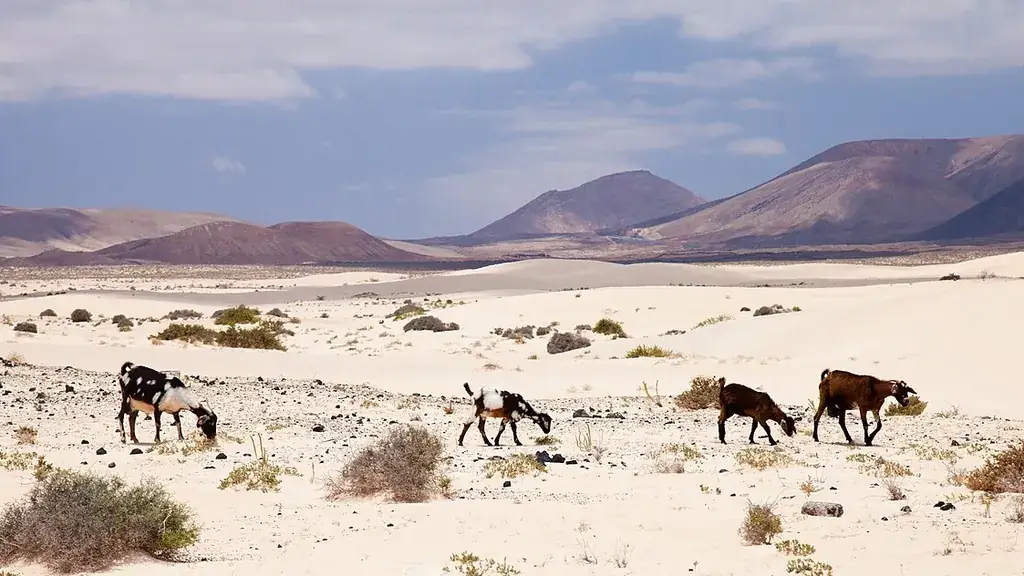
At many village fiestas in the Canary Islands, between Mass and the evening dance, there is a sand ring where two wrestlers grapple, an open space where a team of cows drags a huge stone, or a group of players throwing bowls. These are the native sports (deportes autóctonos): games and sports born on the islands, many linked to the life of shepherds, farmers and fishermen, still practised today and protected and promoted by the Government of the Canary Islands.
In short: the most popular is Canarian wrestling (lucha canaria), with a league and clubs on every island. Then come the stick game (juego del palo) and lucha del garrote, the shepherd’s leap (salto del pastor), Canarian lateen sailing, Canarian bowls (bola canaria), livestock dragging, stone and plough lifting and pelotamano. The best time to see them together is around Canary Islands Day, 30 May.
Canarian wrestling
The native sport par excellence. Two wrestlers, gripping each other’s clothing (rolled-up shorts called calzón), try to make the opponent touch the ground with any part of the body other than the feet, inside a circle of sand called the terrero. It is fought in teams: each luchada pits two clubs against each other, and the winner is the one that brings down all the opposing wrestlers. It has one of the oldest written rulebooks of any traditional sport, from 1872.
What most surprises first-time spectators is its nobility: there is no striking, and it is customary for the winner to help the loser up. There is a regular league, clubs on every island and special bouts at fiestas and on Canary Islands Day.
Stick game and lucha del garrote
Two players face each other with wooden sticks, feinting, striking and parrying without hitting each other violently: technique, reflexes and control are what count. It is linked to the islands’ shepherds, who carried long staffs to move across volcanic terrain and herd goats. There are different schools and styles depending on the island. Lucha del garrote is a related form, with a longer staff.
Shepherd’s leap
Canarian shepherds went down slopes and ravines supported by a long pole, the lanza or garrote, with which they jumped from rock to rock. Today the shepherd’s leap is practised as a sport and as a mountain activity, and its exhibitions, with spectacular jumps down hillsides, are among the most striking at traditional fiestas.
Canarian lateen sailing
A regatta competition with traditional lateen-rigged boats, in the botes and barquillos classes, descendants of the boats used in the islands’ ports. The botes, with their huge triangular sail, are a spectacle in the bay of Las Palmas de Gran Canaria, where they have a big following.
Canarian bowls
A precision game similar to other bowls games: two teams throw their bowls trying to get as close as possible to a small ball, the mingue. Very popular with older people, it is played on earth courts in many villages.
Livestock dragging and stone and plough lifting
In arrastre de ganado, a team of cows or oxen guided by its driver drags a heavy stone or loaded sled along a track, and the one that covers the most distance in a set time wins. It is a show of the animals’ strength and the driver’s skill, very present at the fiestas of farming villages.
Stone lifting and plough lifting are tests of strength that come from farm work, in which participants lift large stones or a plough.
Pelotamano
A traditional ball game in which the ball is struck with the hand. It is one of the games kept alive by associations and exhibitions, and is often seen during the Canarian Native Sports Week.
Where to see them
- On Canary Islands Day, when many municipalities hold exhibitions and there are institutional wrestling bouts.
- At the Canarian Native Sports Week, organised by the Government of the Canary Islands with exhibitions of several disciplines.
- At patron saint fiestas in many villages, which include a wrestling bout, livestock dragging or a bowls tournament.
- In the Canarian wrestling league, played in rings on every island during the season.
Upcoming key dates
- 🌴 Día de Canarias en TenerifeTenerife · 30 May 2027
- 🌴 Día de Canarias en Las PalmasGran Canaria · 30 May 2027
- 🌴 Día de Canarias en El HierroEl Hierro · 30 May 2027
- 🌴 Fiesta del Día de Canarias - LanzaroteLanzarote · 30 May 2027
- 🌴 Día de Canarias en FuerteventuraFuerteventura · 30 May 2027
- 🌴 Día de Canarias en La PalmaLa Palma · 30 May 2027
More guides
- La Orotava’s Corpus Christi carpets: history and how to see them
- The Bajada de la Rama in Agaete: what it is and how to enjoy it
- The Bajadas de la Virgen in the Canary Islands: what they are and when the next one is
- Canary Islands Day: why it is on 30 May and how to enjoy it
- The Fiestas del Pino in Teror: Gran Canaria’s great fiesta
- Canarian fiesta glossary: the words you will hear
- History of the Santa Cruz de Tenerife Carnival
- Saint John’s Night in the Canary Islands: bonfires, swims and traditions
- The pilgrimage to Candelaria: Tenerife’s longest night
- What a Canarian romería is and how to enjoy it
- What people eat at fiestas in the Canary Islands
- Christmas nativity scenes 2026 in the Canary Islands: where to see them, dates and times
- Canary Islands Carnival 2027: dates and themes on each island
- Music festivals in the Canary Islands 2027: calendar with dates, island by island
- Christmas lights switch-on 2026 in the Canary Islands: dates by town
- Christmas 2026 in the Canary Islands: markets, nativity scenes and things to do
- Christmas with kids in the Canary Islands 2026: the best plans, island by island
- New Year’s Eve 2026 in the Canary Islands: where to celebrate
- December long weekend 2026 in the Canary Islands: what to do from 4 to 8 December
- Christmas 2026 in Fuerteventura: what to do from December to Three Kings
- Christmas 2026 in Gran Canaria: what to do from November to Three Kings
- Christmas 2026 in Lanzarote: what to do from November to Three Kings
- Christmas 2026 in Tenerife: what to do from November to Three Kings
- Three Kings parades 2027 in the Canary Islands
- Christmas markets in the Canary Islands 2026: dates, opening hours and places by island
- San Andrés 2026 in the Canary Islands: boards, cans and new wine
- El Hierro fiestas: calendar and traditions
- Fuerteventura fiestas: 2026-2027 calendar
- Fiestas in La Gomera by town: 2026–2027 calendar
- Fiestas in La Palma by town: 2026–2027 calendar
- Fiestas in Lanzarote by town: 2026–2027 calendar
- Fiestas in Tenerife by town: 2026–2027 calendar
- Canary Islands markets: days, times and the best on each island
- Fiestas in Gran Canaria by town: 2026–2027 calendar